
What Is Diwali? A Short Guide to the Festival of Lights in Melbourne
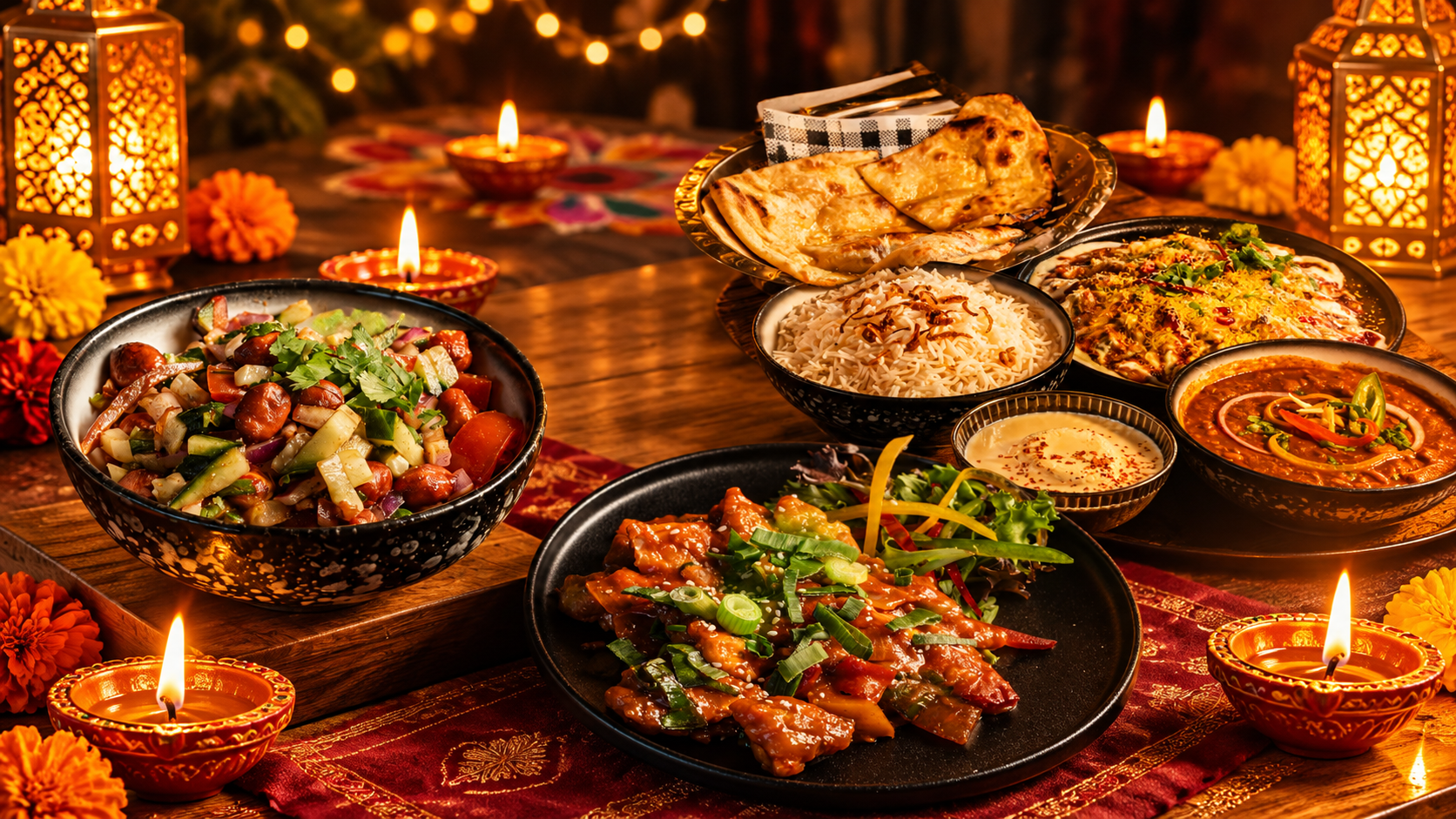
Diwali is one of the most important festivals celebrated across Indian communities. Known as the Festival of Lights, it brings families and friends together to mark hope, new beginnings and the victory of good over evil. Homes glow with lights, colourful decorations appear at doorways, and people make time for traditions passed down through generations.
In Melbourne, Diwali is also an opportunity for people from different backgrounds to learn about Indian culture and enjoy celebrations across the city. Whether you grew up celebrating Diwali or are discovering it for the first time, understanding its meaning makes the occasion even more special.
What Does Diwali Mean?
The word Diwali comes from the Sanskrit term Deepavali, meaning a row of lights. The festival represents the triumph of light over darkness, knowledge over ignorance and good over evil.
Diwali has different meanings across India’s regions and religious communities. For many Hindus, it is associated with Lord Rama returning to Ayodhya after defeating Ravana and completing his exile. According to the tradition, people lit oil lamps to welcome him home.
The festival is also associated with Goddess Lakshmi, who represents prosperity and good fortune. Many families offer prayers during Diwali as they welcome fresh beginnings and reflect on the year ahead.
For Jain communities, Diwali commemorates the liberation of Lord Mahavira. For Sikhs, the period is connected with Bandi Chhor Divas, which celebrates Guru Hargobind Ji’s release from imprisonment.
Although these traditions differ, the festival shares themes of hope, freedom, renewal and togetherness.
Why Are Lights So Important During Diwali?
Lighting diyas, or small oil lamps, is one of the most recognisable Diwali traditions. The lights represent the victory of good over evil and serve as a reminder that even a small light can brighten the darkness.
Families decorate entrances, windows and living spaces with lamps, candles and electric lights. Many also create rangoli, decorative patterns made with coloured powders, rice or flower petals, near their doorways.
These decorations are not simply about making a home look festive. They reflect the idea of welcoming positivity, guests and good fortune.
In Melbourne, Diwali falls during spring, making evening gatherings and outdoor decorations a lovely part of the celebration. Families may adapt traditional customs to suit their homes in Australia while keeping the meaning behind them alive.
How Do Families Observe Diwali?
Diwali is celebrated over several days, with customs varying between regions and families. Preparations often begin before the main festival day, as households clean their homes, organise decorations and prepare for visitors.
For many Hindu families, prayers and offerings form an important part of the celebration. Some worship Goddess Lakshmi and Lord Ganesha, seeking blessings for prosperity and wisdom.
Exchanging gifts and sweets is another familiar tradition. People visit relatives, greet neighbours and share good wishes for the coming year. New clothes may be worn, and homes are prepared to welcome friends and family.
For Indians living in Melbourne, these traditions can provide a meaningful connection to their heritage. Celebrating with relatives overseas through video calls or gathering with friends who feel like family can make the occasion special, even when loved ones are far away.
What Makes Diwali Special for Children?
Diwali gives children a chance to learn about family history and cultural traditions through everyday activities. They might help decorate the home, create rangoli patterns, learn the stories associated with the festival or participate in family prayers.
The festival can also introduce children to values such as kindness, generosity and gratitude. Exchanging gifts and sharing with others provides a practical way to discuss these ideas.
For families raising children in Melbourne, celebrating Diwali can help keep cultural traditions alive while allowing children to share their heritage with school friends and the wider community.
How Melbourne Celebrates Diwali
Melbourne’s Indian community celebrates Diwali through family gatherings, cultural performances, music, dance and public festivals. These events welcome people who celebrate the occasion as well as those who want to experience Indian culture.
Federation Square and Docklands are among the city’s locations associated with public Diwali celebrations. Visitors can often enjoy performances, community activities and Indian food while learning about the festival.
Public events may take place before the actual festival date, so checking organisers’ announcements is worthwhile when planning a visit.
Diwali also provides an opportunity for workplaces, schools and community groups to recognise the cultures represented among their members. A shared meal or cultural activity can encourage people to learn from one another and celebrate Melbourne’s diversity.
If you would like practical ideas for celebrating, read our guide to how to celebrate Diwali at home, at work and around Melbourne.
Celebrate Diwali With Southbank Spices
Food is an important part of bringing people together during Diwali. A shared meal offers time to reconnect with family, catch up with friends and enjoy Indian flavours.
Enjoy the Diwali Royal Feast
If you are planning a Diwali dinner in Melbourne’s Southbank area, Southbank Spices offers a Diwali Royal Feast for $45 per person, with a minimum of two people.
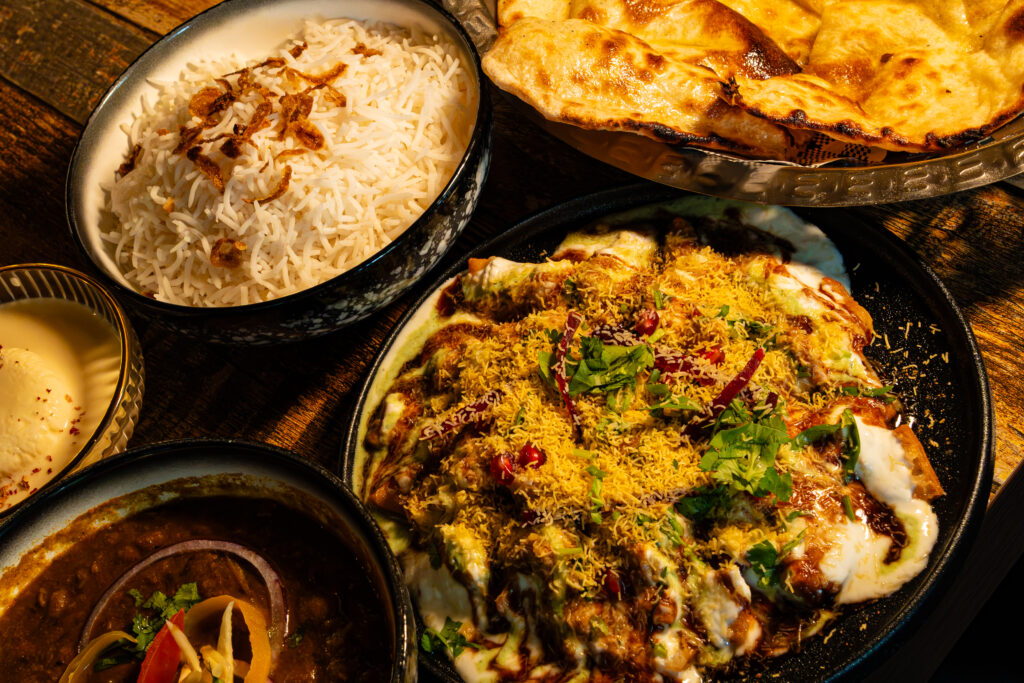
The feast includes:
• One entrée
• Any curry of your choice
• Plain rice
• Garlic naan or butter naan
• One dessert to share
It is a lovely option for couples, friends and families who want to celebrate over a meal together.
You can book your Diwali dinner online and plan your visit in advance.
Looking for a weekday lunch instead? The $19.99 lunch combo includes half a curry from a choice of six, including three vegetarian options, served with rice or plain naan and a soft drink. Explore the Southbank Spices lunch menu for details.
And keep an eye out for something special this festive season. Something lights up on Thursday 29 October.
Frequently Asked Questions
1. What is the main purpose of Diwali?
Diwali celebrates the victory of light over darkness, good over evil and knowledge over ignorance. It is also a time for family, gratitude, prayer and new beginnings.
2. Is Diwali a religious or cultural festival?
It is both. Diwali has religious significance for several communities, including Hindus, Jains and Sikhs, with different stories and traditions associated with each. Many people also celebrate it as a cultural festival.
3. What is a diya?
A diya is a small traditional oil lamp used during Diwali. Lighting diyas symbolises hope, positivity and the triumph of light over darkness.
4. What is rangoli, and why is it made?
Rangoli is a decorative pattern created using materials such as coloured powder, rice or flower petals. It is often made near entrances to welcome guests and bring a festive atmosphere to the home.
5. Why is Diwali important for Indian families living in Australia?
Diwali helps families maintain cultural connections, pass traditions to younger generations and share their heritage with friends and the wider community. It also provides a reason to come together and celebrate.
Keeping the Spirit of Diwali Alive
Diwali is about more than lights and decorations. Its meaning lies in the values people carry into their everyday lives, including kindness, hope, generosity and time spent with loved ones.
In Melbourne, the festival brings these traditions into homes, workplaces and public spaces, creating opportunities for communities to connect. Whether you celebrate through family customs, cultural events or a meal shared with friends, Diwali is a reminder that meaningful moments often begin when people come together.